

Why Is My Furnace Not Blowing Air?
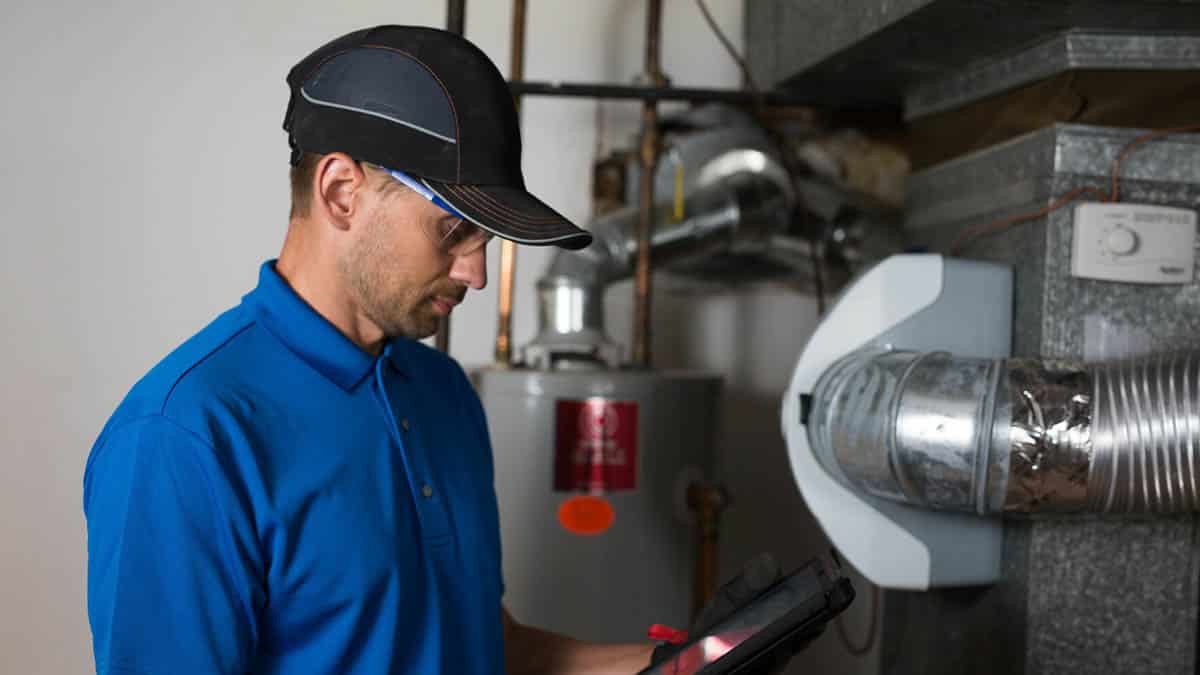
It’s a frustrating dilemma—your furnace is running but not producing the warmth you crave. In most cases, home heating appliances stop blowing air due to incorrect thermostat settings, clogged air filters, tripped breakers, blocked vents or a problem with an internal component such as the blower motor. While you can safely check several simple items yourself, persistent furnace airflow problems generally require professional attention from our trained HVAC technicians.
Use this simple, step-by-step furnace troubleshooting guide to determine whether you can resolve your issues yourself or need to bring in the experts from UGI Heating, Cooling & Plumbing for prompt, polite furnace repair.
Why Is My Furnace Running but Not Blowing Air?
A forced-air furnace generates heat, and its blower pushes that warmth through your ductwork and into every room of your home. When your heater is not blowing air, it generally means something has interrupted that flow, leaving your Eastern Pennsylvania home chillier than you’d like.
The culprit is usually one of these:
- Incorrect thermostat settings
- Dirty or clogged air filter
- Tripped circuit breaker or furnace power issue
- Closed or blocked vents/returns
- Blower motor or blower component problem
- Limit switch or other internal furnace issue
1. Check Your Thermostat
Don’t call for furnace maintenance until you’ve reviewed your thermostat settings. Comfort issues often begin here, and you can save time and trouble with a few simple checks.
If you have a programmable thermostat, confirm that the schedule, date and time are correct. Your system may reduce your heating output if it “assumes” you’re away or asleep. You should also verify the battery power; low or dead batteries can cause your thermostat to lose communication with your furnace.
Next, make sure your thermostat is set to heat, then increase the temperature by at least five degrees. If your fan is on AUTO, temporarily switch it to ON—your blower is receiving power if the fan kicks in. If the fan does not run, you may have a more complex issue that requires a professional diagnosis.
2. Check the Furnace Circuit Breaker and Power
Even if you have a natural gas furnace, it still requires electricity to operate the blower, controls and safety components. Your furnace may appear to turn on if it loses power, but no warm air will move through the vents.
Verifying the furnace’s electrical supply is a simple but essential step.
- Locate your fuse box or electric panel. If a breaker has tripped, reset it once. Do not keep resetting it if it trips repeatedly, as that can indicate an internal electrical issue that needs experienced attention from skilled heating services providers.
- Then, check your furnace’s power switch.If it’s not in the ON position, turning it back on may restore warmth.
3. Inspect the Furnace Air Filter
A dirty filter is one of the most common reasons a furnace stops functioning properly. When dust, pollen and other contaminants build up, your HVAC system will have a harder time pulling in air and circulating it through your ductwork. A heavily clogged filter can also cause the furnace to overheat, triggering built‑in safety controls that shut the system down to prevent damage.
Luckily, this fix is a straightforward DIY task. Locate your filter, remove it and hold it up to the light. It’s time to swap it out for a clean one if it looks gray and matted. Then, determine a filter-change frequency based on your household conditions. Homeowners who have pets, smoke indoors or struggle with allergies and other respiratory issues may want to plan for monthly replacements.
4. Make Sure Vents and Return Air Grilles Aren’t Blocked
A forced-air heating system needs two pathways to work properly: open supply vents to deliver warm air and unobstructed return grilles to pull air back into the system. Here’s what you can safely check if your furnace is on, but specific rooms are still colder than you’d like.
- Supply vents: Make sure they’re fully open, with no barriers caused by furniture, curtains, rugs or storage items. Even partially blocked vents can cause a furnace to run without blowing air.
- Return air grilles: These larger grilles pull air back into the system. Keeping them free and clear allows your furnace to circulate air effectively.
5. The Furnace Blower May Not Be Working
If your thermostat is on the correct setting, your furnace has power, the filter is clean and your vents are open, the blower may be the source of the problem.
The blower is the fan responsible for moving heated air from the furnace through your ductwork. When it isn’t working, you might hear your furnace cycle on, but no air will reach the vents.
Possible blower‑related issues include:
- Motor failure
- Capacitor or electrical component problem
- Fan limit or control issue
- Furnace control board malfunction
For safety reasons, you should never attempt to open the furnace cabinet, test the electrical wiring or inspect blower parts yourself. HVAC techs have the tools and training needed to complete a full system evaluation and repair quickly and safely, minimizing disruptions to your routine.
What if My Furnace Is Blowing Air, but the Air Isn’t Warm?
Your furnace may have a different problem if air is moving through your ducts and vents, but it’s not as warm as you’d like.
Common causes include:
- Incorrect thermostat settings (such as the fan running without heat)
- Ignition or burner problems
- A malfunctioning flame sensor
- Fuel supply issues (for gas furnaces)
- An overheated furnace that has shut itself off
In this situation, it’s best to dial 833-980-3496 and request a professional diagnosis instead of trying to resolve the heating issue yourself. Solutions often involve accessing internal furnace components, the ignition system or fuel supply, which can be dangerous for an untrained person to attempt.
When Should I Call an HVAC Professional?
After you’ve checked the thermostat, filter, vents and power supply, it’s time to reach out to our experienced team at UGI Heating, Cooling & Plumbing if you notice any of the following:
- The furnace still isn’t blowing air
- The breaker repeatedly trips
- The blower doesn’t operate, even when you switch your thermostat fan to ON
- The furnace starts and shuts down repeatedly
- You hear unusual noises from the blower or furnace
- You smell burning or electrical odors
- The system appears to be overheating
- You suspect an electrical, blower or internal furnace problem
These symptoms often indicate issues with wiring, safety features, blower components or other internal parts that require professional tools and training to resolve.
Important Safety Note: Do not continue troubleshooting your furnace if you smell gas or suspect a leak. Immediately evacuate your home and call your gas utility to report an emergency.
Keep the Warm Air Flowing With UGI Heating, Cooling & Plumbing
If simple DIY steps don’t get your furnace back to heating your home properly, call our team at UGI Heating, Cooling & Plumbing to schedule heating service. Airflow problems often trace back to blower components, electrical issues or internal furnace controls, all of which require the expertise of a licensed HVAC technician.
Our team will pinpoint why your system isn’t circulating air and determine the best approach to restore reliable heat to your home. We work with homeowners throughout Eastern Pennsylvania, including communities in the Lehigh Valley, Harrisburg, Lancaster and Reading areas.
Whether your furnace has stopped blowing air, keeps shutting down or is not keeping pace with your needs, UGI is here to help you stay comfortable all winter long. Learn more about the UGI team and call 833-980-3496 to request an appointment.