When to Repair vs. Replace Your Furnace in Eastern PA
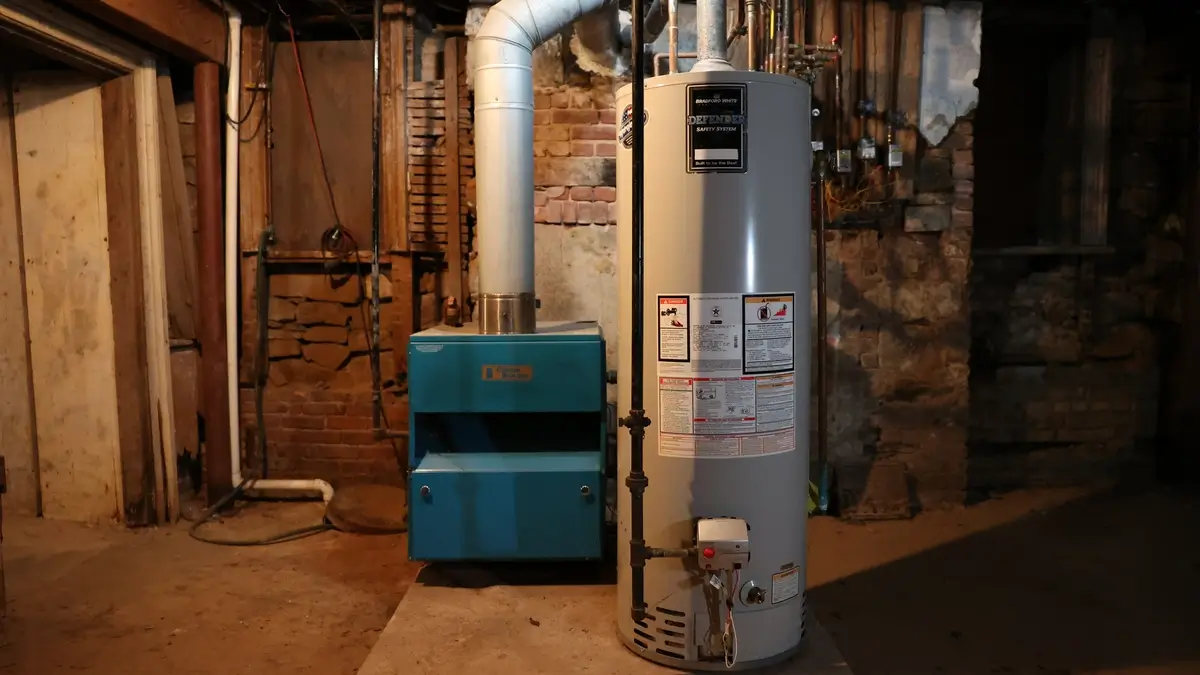
Should You Repair or Replace Your Furnace?
Picture yourself and your family settling in for a cozy evening during the first cold snap in Eastern Pennsylvania. You’ve got everything you need for a perfect night at home—until your furnace suddenly makes a loud rattling noise, begins blowing cold air or completely stops responding.
That jarring moment presents you with a dilemma: should you repair or replace your furnace?
The answer depends on a few pivotal factors, including your furnace’s age, condition, energy efficiency and whether it still performs reliably during harsh PA winters. Repairs may solve isolated issues, but older systems with recurring problems create additional expenses associated with rising repair and utility bills.
You need safe, efficient daily heat to combat Eastern PA’s harsh winter weather. Here’s a look at the core decision criteria to help you make the furnace repair vs. replace call.
Key Factors to Consider: Repair vs. Replace
Once you realize your furnace isn’t keeping up with your needs anymore, you can start analyzing whether a professional repair or replacement is a wiser long-term investment in your winter well-being.
Furnace Age and Lifespan
If your furnace is nearing the end of its expected 15- to 20-year lifespan, its age may be enough to suggest it’s time to start exploring your furnace replacement options. Efficiency loss is cumulative and will accelerate due to wear and tear.
Most furnaces last 15 to 20 years, depending on the fuel type. Gas and oil furnaces typically fall near the midpoint of that range, while electric systems may last slightly longer.
Older equipment has a harder time maintaining consistent warmth during during Eastern Pennsylvania’s coldest months. Even if our experienced, professional furnace repair techs can get your aging equipment running again, the combination of declining efficiency, rising utility bills and frequent breakdowns often makes replacement a more practical financial choice.
Repair Costs and the 50% Rule
One straightforward way to evaluate your options is the 50% rule, which states that replacement is usually the wiser decision if the cost of a repair is half the price of a new furnace or more.
Another guideline is the $5,000 rule: a new furnace installation typically offers better long-term value if you multiply your furnace’s age by the estimated repair cost and the total is $5,000 or higher.
A single major component failure in an older furnace, such as a cracked heat exchanger or failed blower motor, often meets or exceeds these cost-effectiveness thresholds. The increasing cost of recurring minor repairs that add up over the years can also push your budget to the brink.
Energy Efficiency and Monthly Utility Bills
Furnaces lose efficiency with age, and you’ll see that decline represented in your winter heating bills. A furnace rated at 90% AFUE can end up running well below that rating as its internal components wear down, forcing the system to run longer and harder to maintain the same temperature.
Upgrading to a brand-new furnace with advanced technology can provide:
- Lower monthly utility costs
- More consistent comfort
- Better airflow and temperature control
- Improved safety features
- Long-term Return on Investment through reduced energy use
Many homeowners also qualify for utility rebates and manufacturer incentives that help offset the cost of a new system.
Warning Signs Your Furnace Needs Attention
Even the most dependable furnace will eventually outlive its usefulness. These early red flags often manifest as sounds, smells or performance issues that signal an imminent breakdown.
If you spot any of the issues below, don’t ignore them. Schedule an appointment for your furnace to receive professional attention.
- Unusual noises or persistent odors: Rattling, buzzing, banging or squealing noises often suggest loose parts, failing motors or internal wear. Burning, musty or chemical odors may signal electrical problems, overheating components or combustion issues.
- Inconsistent temperatures and cold spots: If some rooms feel warm while others stay chilly or you constantly adjust the thermostat to maintain comfort, your furnace may be struggling to distribute heat evenly due to declining airflow, duct restrictions or aging components.
- Short-cycling or continuous fan operation: Furnaces can rapidly turn on and off when they’re overheating, experiencing airflow blockages, or have a failing sensor. Meanwhile, a blower fan that runs nonstop even when the furnace isn’t heating can indicate electrical control issues or thermostat malfunctions.
- Critical safety hazards: Some warning signs are emergencies. A yellow burner flame instead of a steady blue one can indicate improper combustion. Excessive soot around the furnace or burner area may point to ventilation problems. Any carbon monoxide warning, whether from a detector or physical symptoms, merits an urgent response.
How to Extend the Lifespan of Your Furnace
A few simple, preventive habits can help your furnace run more efficiently and last closer to its maximum expected lifespan, even when withstanding the annual challenges of Eastern PA’s winter weather. Stay more comfortable in the cold with consistent maintenance and a few simple home improvements.
- Schedule annual tuneups and preseason inspections: Professional maintenance is one of the most effective ways to keep your furnace operating safely and efficiently. During yearly heating tuneups, our qualified HVAC technicians clean key components, test safety controls, check airflow and identify small issues before they turn into major repairs. Preseason inspections, especially in early fall, help ensure your furnace is ready before cold weather arrives.
- Improve home insulation and air sealing: Your furnace works harder when warm air escapes through gaps, drafts or poorly insulated areas. Simple improvements like sealing window and door leaks, adding weatherstripping or upgrading attic insulation can reduce the system’s workload. Better insulation helps maintain steady indoor temperatures, allowing your furnace to cycle less frequently and operate more efficiently.
- Regularly replace your filter: Replacing your filter on a consistent schedule during peak heating season will reduce strain on your furnace’s internal components and improve your indoor air quality by reducing the allergens and pollutants that would otherwise circulate through your home.
When to Seek Professional HVAC Guidance
Furnaces are complex machines with many moving parts that must all work smoothly together to protect you and your family from the frigid temperatures of an Eastern Pennsylvania winter. Knowing when to call us at UGI Heating, Cooling & Plumbing will let you avoid unnecessary repairs.
Annual tuneups are a proactive way to prevent breakdowns and improve HVAC performance. Schedule urgent diagnostic service if your furnace is not blowing air, short-cycles, produces unusual odors or shows signs of electrical or combustion issues. These changes often indicate mechanical issues that require professional tools and testing, especially if they arrive without warning.
If you’re considering replacing your furnace, a technician will perform a heat‑load calculation to determine the correct system size for your home based on its insulation condition, square footage, ductwork condition and airflow needs. An efficiency audit involves checking AFUE ratings, static pressure, seals around doors and windows, and holistic system performance to determine whether repair or replacement would offer better long-term value.
Partner with a qualified HVAC contractor to accurately evaluate your furnace, repair it safely and recommend a replacement only when it’s the most cost-effective option for your home. UGI Heating, Cooling & Plumbing offers transparent pricing and clear explanations of what’s wrong before any work starts.
Frequently Asked Questions
What is the $5,000 rule for HVAC?
This simple formula is a way to compare long‑term financial impact against short‑term repair savings. Multiply your furnace’s age by the estimated repair cost. Replacement is usually the more cost‑effective choice if the total is $5,000 or more.
How can I tell if I need a new furnace?
You may need a new furnace if your existing heating equipment is 15 years or older and needs frequent repairs to combat signs of decline:
- Uneven heating or persistent cold spots
- Higher winter utility bills
- Short-cycling or unreliable performance
- Safety concerns such as yellow flames, soot or carbon monoxide alerts
Should I replace my 25-year-old furnace?
In most cases, yes. A 25-year-old furnace is well beyond the typical 15- to 20-year lifespan for gas, oil and electric systems. Efficiency loss, worn components and outdated safety features make replacement the safer and more economical option. Even if repairs are technically possible, they rarely provide long-term value at this point.
What is the average cost to repair a furnace?
Furnace repair costs vary widely. Minor repairs, such as replacing the igniter, sensors or thermostats, are moderate expenses, while the cost of replacing critical internal components like the blower motor or heat exchanger can be significantly higher. A professional diagnostic visit is the best way to clarify your specific situation.
How much does it cost to replace a furnace for a 2,000-square-foot house?
Replacement costs depend on system type, efficiency rating, installation requirements and ductwork condition. Homes around 2,000 square feet typically require a mid- to high-capacity furnace, and pricing varies accordingly. A UGI Heating, Cooling & Plumbing technician will determine the correct size using a professional heat load calculation and provide you with an accurate quote.
What is the best time of year to buy a new furnace?
Late summer through early fall is generally an optimal window because demand for heating repairs hasn’t peaked yet, scheduling is more flexible and seasonal promotions or manufacturer incentives are often available. If you already know you need to upgrade, it’s smart to take care of it alongside your other efforts to prepare your home for winter.
Get Expert Furnace Repair or Replacement in Eastern Pennsylvania
Still not sure whether to repair or replace? UGI Heating, Cooling & Plumbing can send a technician to look at your furnace, explain what’s going on and walk you through both options. If a repair makes sense, we’ll take care of it. If it’s time for a new system, we’ll help you pick the right size and efficiency for your home and go over financing options and current offers. Don’t wait for the first deep freeze. Call 833-980-3496 or request service online to schedule a visit.
Jump To...